AI Agent in HR – The Future of Recruiting | HIROS
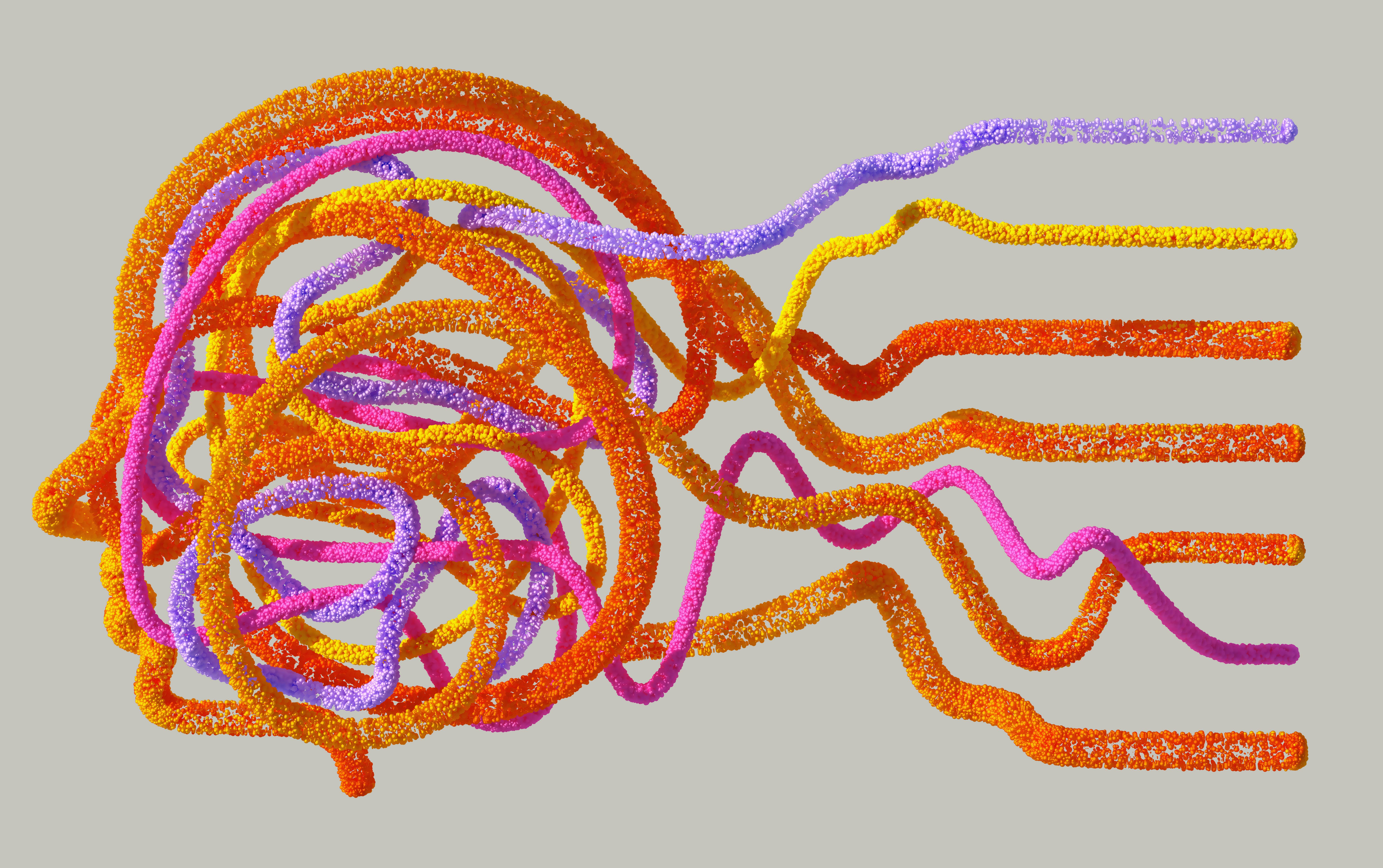
The talent market is moving faster than any human recruiting team can follow. Enter the invisible recruiter, a new breed of AI agent HR professionals now rely on to qualify, interview and nurture applicants while we sleep. These autonomous systems learn from every interaction, refine their questioning style and surface the best candidates before a person even opens a résumé. Over the next three years, analysts expect them to handle four out of five transactional tasks in people operations. For organisations competing on speed and candidate experience, the question is no longer if but how soon they will hand the bulk of pre-qualification to software that thinks and acts on its own. Discover more insights at the Hiro’s website.
The Rise of the 'Invisible Recruiter': AI Agents in HR
How to Prepare Your Organisation for the Invisible Recruiter
Looking Beyond 2026 What Comes After Autonomous Pre-Qualification
From Chatbots to True AI Agents in HR
Most teams have experimented with simple chatbots that answer “Where do I apply” questions. AI agent HR technology is different. It assigns a unique identity and permission set to a digital teammate that can execute a full recruiting workflow: source talent, screen for skills, run initial interviews, schedule steps and update the ATS. Unlike keyword-matching bots, agents use advanced language models, simulations and predictive analytics. They understand intent, infer potential and recommend roles a person may never have considered. In early deployments, this skills-based matching expanded eligible talent pools by nineteen times and raised first-year retention by thirty-four percent.
The science behind autonomous talent acquisition
Contextual language modelling. Large transformer models capture the nuance of job histories, allowing the agent to compare growth curves rather than static titles.
Real-time reasoning. Agents simulate day-to-day scenarios (“How would you coach an under-performing analyst”) then score responses for adaptability and empathy.
Continual learning loops. Every hire feeds back interview outcomes, performance data and exit insights. The invisible recruiter recalibrates its next-round questions without human prompts.
Key drivers of the shift
Driver | What is changing | Business outcome
|
|---|---|---|
Full production rollout by 2026 | Fifty-two percent of talent leaders have budgeted for agent deployment in the next budget cycle | Double-digit acceleration in time to offer and a four-times increase in innovation projects due to faster staffing |
Autonomous task mastery | Agents now execute eighty percent of routine steps such as screening, scheduling and compliance reporting | Interview-to-hire ratio improves by fourteen percent while freeing recruiters for high-touch engagement |
Hybrid human and AI teams | Three out of four enterprises mandate adoption and forecast a three-hundred-plus percent rise in agent seats by 2027 | Consistency in evaluations and measurable bias reduction |
Adoption surge across the enterprise | Sixty-two percent of large employers already use some form of AI in recruitment and nearly half have moved to agentic systems | Smooth integration with onboarding and payroll, forming an end-to-end digital nervous system |
Real-world impact
Unilever uses an AI interviewing agent to validate competencies rather than degrees, finding the approach five times more effective than experience checks. Another global consumer goods firm now interviews every qualified candidate automatically and reports a forty to sixty percent drop in administrative overhead. Korn Ferry observes that consistent agent evaluation removes interviewer variability, a key lever for fairness at scale. These cases confirm that invisible recruiters are not a pilot project anymore. They are a competitive necessity.
Reimagining the Recruiter’s Role in a Hybrid Team
When an AI agent HR platform screens a thousand applicants overnight, the human recruiter gains space to become a strategist. Emotional intelligence shifts from a buzzword to a daily requirement because we now enter the process once the technical match is confirmed. We spend our hours probing cultural alignment, coaching hiring managers on inclusive panels and building employer branding narratives.
New skills for HR professionals
Prompt and workflow design. Crafting agent instructions so the system reflects corporate values.
Data-informed storytelling. Translating agent insights into leadership action plans.
Ethical oversight. Auditing model decisions for bias and fairness.
Governance and trust frameworks
Explainability dashboards reveal which signals influenced a shortlist.
Human-in-the-loop checkpoints let recruiters overrule outliers.
Data security protocols limit personally identifiable information to essential use cases.
How to Prepare Your Organisation for the Invisible Recruiter
Three-step adoption roadmap
Step one Align CHRO and CIO around a shared vision. Map current recruiting pain points and select one high volume role as the pilot so the agent has plenty of data.
Step two Build a representative dataset. Anonymise résumés, performance reviews and exit interviews. Feed them into the agent, measure match accuracy and adjust prompts weekly.
Step three Scale through an exception-driven model. Allow the agent to auto-progress candidates who pass clear thresholds while flagging edge cases for human review. Monitor fairness metrics and candidate satisfaction in parallel.
Looking Beyond 2026 What Comes After Autonomous Pre-Qualification
By 2030 talent organisations are likely to orchestrate multiple specialised agents rather than a single invisible recruiter. One system will optimise diversity pipelines, another will manage contingent labour and a third will forecast succession risk. As these entities collaborate, the recruiting function morphs into a dynamic marketplace where roles, skills and learning pathways update continuously. The strategic value of HR will rest on our ability to curate this ecosystem, guide ethical standards and keep the human experience at the centre.
We are still early in the journey, yet the trajectory is clear. ai agent hr technology is moving from novel utility to the backbone of modern talent acquisition. Teams that embrace it now will master a blended model where machines deliver speed and consistency while people bring context and care. For deeper analysis of emerging workforce trends, explore our insights hub at the blog.