AI Agent Recruitment – Reduce Vacancy Costs | HIROS
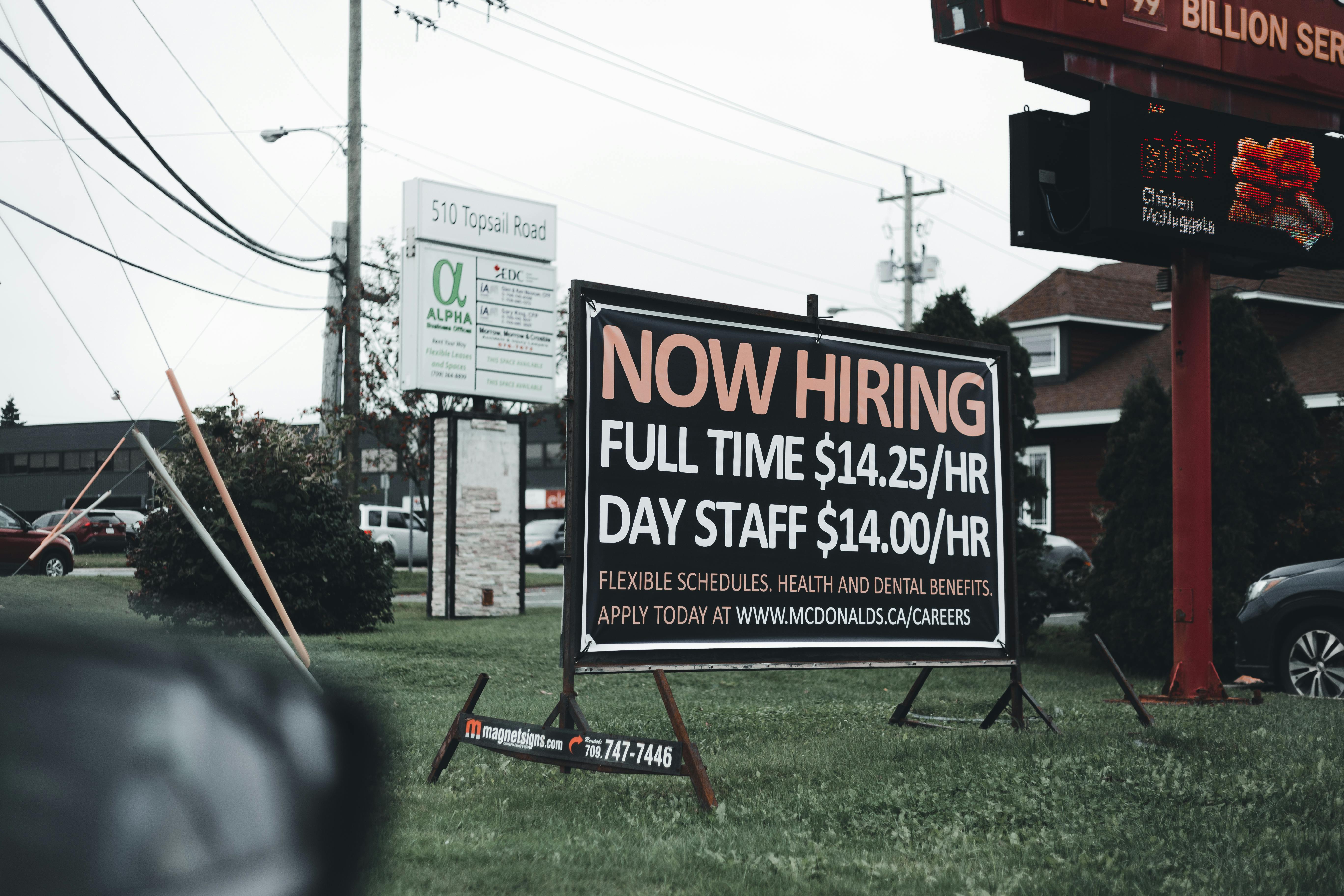
Four weeks without the right employee may not sound dramatic - yet every empty chair is a cash drain. Revenue slips, client projects stall and your team carries extra workload that erodes morale. In competitive markets the ability to fill a role swiftly is a strategic advantage. AI agent recruitment attacks the problem at its source by compressing time-to-fill. When hiring cycles shrink from forty days to four your organisation keeps revenue flowing and reduces cost of vacancy before it snowballs.
The Cost of Vacancy: How AI Agents Reduce Time-to-Fill
Vacancy is a Silent Cash Leak
Every day a position stays open costs more than the vacant salary percentage. You absorb lost productivity, pay overtime to cover gaps and delay projects that generate income. A simple way to grasp the impact is to divide annual salary by 260 workdays then add a conservative productivity premium.
Role salary | Salary per workday | 30 percent productivity premium | Daily vacancy cost | 30 day vacancy cost
|
|---|---|---|---|---|
60 000 USD | 231 USD | 69 USD | 300 USD | 9 000 USD |
100 000 USD | 385 USD | 115 USD | 500 USD | 15 000 USD |
150 000 USD | 577 USD | 173 USD | 750 USD | 22 500 USD |
If you are scaling a sales team of ten people at 100 000 USD each a standard forty day hiring cycle burns roughly 200 000 USD before the first rep even starts. Multiply that across departments and cost of vacancy becomes a material line item on the P and L.
Why Traditional Hiring Drags On
Industry benchmarks place average time to fill between 36 and 44 days with healthcare and government exceeding 49 days. Three bottlenecks cause most of the delay.
Sourcing scattershot outreach and manual data entry slow candidate discovery.
Screening CV review and phone screens demand hours of repetitive work.
Scheduling back and forth on availability extends timelines by a week or more.
Add candidate ghosting and internal approvals and the clock keeps ticking. Each delay compounds the financial loss detailed above.
Hidden Costs Beyond Salary
A vacancy does not merely postpone output. It often triggers hidden expenses that rarely appear in hiring reports. Customer satisfaction drops when response times lengthen. Overtime and freelancer invoices rise. High performers covering the gap risk burnout leading to attrition that starts the cycle again. The sooner you fill the seat the sooner these secondary costs disappear.
AI Agent Recruitment Accelerates Every Step
AI agents behave like tireless digital recruiters available around the clock. They integrate with applicant tracking systems and communication channels then execute the tasks that typically stall hiring.
Sourcing: Large language models scrape public profiles and job boards generating ranked longlists in minutes.
Screening: Natural language processing benchmarks resumes against role criteria and auto qualifies or rejects applicants with documented reasoning.
Engagement: Conversational chatbots reply instantly to candidate questions and nudge them to complete applications raising completion rates from roughly 50 percent to 85 percent.
Scheduling: Calendar integrations propose interview slots and confirm meetings without human intervention.
Because these tasks account for the majority of elapsed time the overall hiring cycle compresses dramatically.
Quantifying ROI From 44 Days to 4 Days
Field data shows that organisations using AI agents cut time to fill by up to 90 percent. In one retailer’s seasonal campaign hiring time fell from twelve to four days while application completion jumped to 85 percent. Across industries heavy AI adoption lowers recruiting costs by 68 percent and frees five to ten recruiter hours each week.
Return on investment emerges quickly. Suppose a 100 000 USD role remains vacant for forty days costing 20 000 USD in lost productivity. An AI powered process that fills the same role in ten days recovers 15 000 USD. After platform fees you still retain a five figure gain per hire. When you scale this across dozens of roles the financial upside becomes strategic.
Ready to see how much revenue you can reclaim by hiring faster? Contact our team to arrange a personalised assessment and live demo.
Comparing Your Options
Approach | Average time to fill | Upfront cost | Ongoing cost | Scalability | Risk
|
|---|---|---|---|---|---|
Traditional in house recruiters | 36 to 44 days | Salaries and job board fees | High admin overhead | Limited by team size | Burnout and bias |
External agency | 25 to 30 days | 15 to 25 percent placement fee | None post hire | Agency bandwidth | Variable quality |
AI agent recruitment platform | 4 to 15 days | Subscription based | Low per hire | Processes hundreds of roles simultaneously | Requires data integration |
While agencies can shorten cycles the fee per hire erodes savings. AI agents deliver both speed and cost efficiency by automating repeatable work without adding headcount.
Implementation Essentials for Rapid Payback
Align data sources. Ensure your ATS fields are consistent so AI models compare candidates accurately.
Define success metrics. Track time to fill weekly not quarterly so any delay triggers immediate action.
Train hiring managers. Provide guidelines on evaluating AI generated shortlists to avoid reverting to manual review.
Start with a pilot. Select high volume roles where quick wins demonstrate value then expand across the organisation.
Measure What Matters
Create a simple dashboard that shows days between requisition and offer stage broken down by step. Include application completion percentage and candidate response time. AI agents supply real time analytics that uncover new optimisations such as time of day outreach and channel performance.
Key Takeaways
Cost of vacancy is an avoidable loss that compounds every day a role stays unfilled. Traditional hiring averages 36 to 44 days while AI agent recruitment compresses cycles to as little as four days delivering significant financial returns.
Companies adopting these agents report lower recruiting costs, faster placements and reclaimed productivity. By integrating AI at sourcing, screening, engagement and scheduling you transform hiring into a revenue protecting function rather than an unavoidable expense.
Explore more data driven hiring insights on our blog to continue refining your talent strategy.