The Truth About AI and Recruiting – Common Myths Debunked
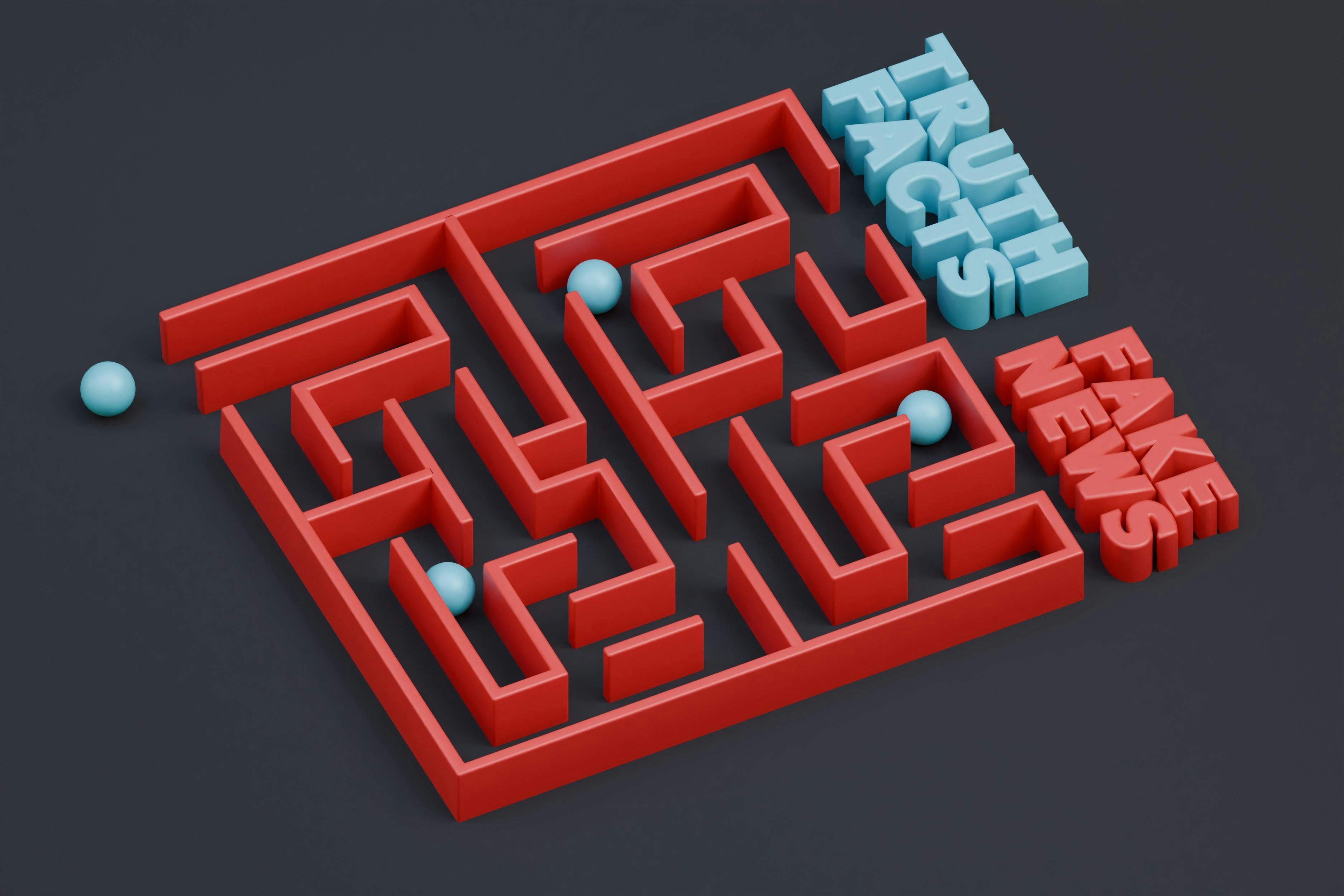
Today every headline seems to proclaim that artificial intelligence will either revolutionize or ruin recruitment. When misinformation spreads this quickly, teams hesitate to act and the talent race moves on without them. In this guide we look at AI and recruiting through a calmer lens. We confront the most persistent fears, compare them with evidence, and show where humans remain firmly in control. By the end you will know which concerns are justified, which belong in science fiction, and which practical steps let you adopt AI with confidence.
Fact vs. Fiction: Debunking Common Myths About AI and Recruiting
Why do myths about AI and recruiting keep coming back
New technology always triggers anxiety, especially when it touches people related decisions. In recruitment three factors amplify the noise. First, hiring processes are already opaque for many candidates; adding algorithms feels like another black box. Second, sensational media stories travel faster than sober case studies. Third, early missteps (for example models trained on unbalanced data) are remembered long after tools mature. Understanding this background helps us tackle each myth instead of letting it stall progress.
Myth 1: AI will replace human recruiters
The fear
Machines that scan every résumé in seconds will surely make recruiters obsolete.
The fact
Research across several talent platforms shows that AI succeeds at repetitive, low value chores: resume parsing, initial matching, interview scheduling, status emails. These tasks can consume up to 60 percent of a recruiter’s week. When software handles them, humans get hours back for relationship building, stakeholder consulting, and culture fit assessments. Studies indicate that roughly seventy percent of employers already see AI as a support function rather than a substitute. Performance data backs them up: teams that pair recruiters with assistive AI consistently fill roles faster and report higher manager satisfaction than teams without.
Takeaway
AI is the new colleague who loves spreadsheets and calendar invites. It still needs you to persuade, to evaluate nuance, and to close the offer.
Myth 2: AI is inherently biased and discriminatory
The fear
Algorithms only learn from historical data, so they will forever replicate past discrimination.
The fact
Bias is a data problem, not an algorithm destiny. When developers audit datasets, strip out protected attributes, and monitor outputs, AI can surface unfair patterns that humans seldom detect. A recent analysis showed that properly configured screening models increased female representation in shortlists by more than thirty percent compared with traditional manual reviews. Recruiters still approve every shortlist, so any odd pattern prompts immediate correction. Far from cementing bias, AI can become an early warning system that protects diversity goals.
Takeaway
Responsible data curation plus transparent monitoring turns AI into a bias watchdog rather than a bias amplifier.
Myth 3: AI removes the human touch from hiring
The fear
Candidates will only talk to chatbots and feel like numbers.
The fact
Automation covers the administrative side of communication: instant acknowledgement, status updates, basic questions about location or salary range. That responsiveness actually improves the candidate experience, especially outside office hours. Freed from micro emails, recruiters dedicate more time to personalised calls, deeper interviews, and constructive feedback. Soft skill judgment, culture fit discussion, and final decisions remain human led because no model can decode subtle team chemistry as well as a skilled recruiter.
Takeaway
AI handles the clock; you handle the conversation.
Myth 4: AI tools are too complicated to implement
The fear
Only data scientists can run these systems, and integration will paralyse our ATS.
The fact
Modern vendors package AI inside familiar applicant tracking or CRM interfaces. Activation often resembles turning on a new plugin and choosing which steps to automate. Because solutions live in the cloud, no dedicated servers or specialised tech teams are required. Training sessions typically last a few hours, not weeks. In short, adoption effort now sits closer to adding a video interview module than to rebuilding the entire stack.
Takeaway
If you can update a job board integration, you can switch on AI.
Myth 5: AI means robots will make hiring decisions
The fear
Some hidden robot will decide who gets hired, and we will lose control.
The fact
Recruitment AI works through pattern recognition. It flags profiles that match historical success criteria or evaluates speech patterns in recorded interviews. It cannot sign an offer letter, negotiate salary, or decide team fit without human acceptance. Think of it as an intelligent analyst producing ranked insights. Final authority stays with talent acquisition teams and hiring managers, protected by both company policy and, increasingly, regulation.
Takeaway
AI advises; people decide.
Summary table of myths and facts
Myth | Reality
|
|---|---|
AI replaces recruiters | It removes repetitive tasks and boosts human strategic work |
AI is always biased | Bias depends on data quality and oversight; AI can even reveal hidden bias |
AI dehumanises hiring | Automation frees time for richer human interaction |
AI tools are complex | Most solutions plug into existing systems with minimal setup |
Robots hire people | Human approval is needed for every key decision |
Proven benefits when AI supports recruitment
Recruitment metrics improve because machines specialise in speed and consistency while humans specialise in judgment.
Time and cost savings (screening and scheduling happen in minutes, cutting cost per hire).
Better quality of hire (models learn traits of high performers and refine search criteria).
Scalability (volumes rise without enlarging the recruiting team).
Firms that implemented AI informed analysts that they reduced overall time to fill by up to thirty percent and reallocated hours to proactive talent pipelining.
Best practices for adopting AI responsibly
Start with a specific bottleneck
Do not chase shiny features. Map your workflow, then test AI on the step that drains the most hours, such as résumé screening.
Audit and clean your data
Remove outdated job titles, duplicate profiles, and any attribute linked to protected classes. Balanced data is the strongest bias defence.
Keep a human in the loop
Define checkpoints where recruiters review model outputs, adjust parameters, and overrule questionable suggestions.
Communicate with candidates
Let applicants know when automated tools are involved and how decisions are ultimately made. Transparency builds trust.
Mini FAQ on AI and recruiting
Q Can small companies afford AI tools
A Pricing usually follows a subscription model per seat or per job posting. Because vendors scale usage across many clients, entry tiers are now comparable to standard ATS plans.
Q Does AI work for niche roles
A Yes, as long as enough data exists on successful hires. For highly specialised positions, AI narrows outreach lists rather than making final selections.
Q How quickly can we see results
A Teams typically notice faster screening and scheduling within the first month because those tasks shift immediately to automation.
Q Will regulations ban AI in hiring
A Regulation is moving toward transparency and accountability, not prohibition. Tools that log their criteria and include human oversight already meet the strictest proposed rules.
Synthesis and next steps
The evidence is clear. When we separate scare stories from facts, AI and recruiting prove to be complementary forces. Intelligent software takes over the repetitive mechanics, uncovers patterns we might miss, and hands us more time for empathetic dialogue and strategic thinking. Myths fade when data and day-to-day experience replace speculation. If you want to explore practical ways to integrate responsible AI into your talent strategy, visit Hiros's blog for ongoing insights and success stories.